What to Do When a Prospect Ghosts You
Customer conversations

Written by: Ben Taylor, MBA, Content Marketing Manager, Richardson
Published: December 15, 2025
You’ve had a great first call. The prospect asked smart questions, agreed to next steps, and seemed ready to move forward. Then – silence. Your emails go unanswered. Your calls don’t get returned.
You’ve been ghosted.
It happens to every seller, but the key is not to panic or chase. When a buyer goes quiet, it’s not always a sign that the deal is lost. Often, it’s a sign that the buyer is stuck—unsure, overwhelmed, or afraid of making the wrong move. Your job is to help them regain confidence and make it safe to re-engage.
Here's how to do that.
Why Prospects Ghost
Ghosting is one of many prospecting challenges sellers face, and it often has less to do with you and more to do with what’s happening inside the buyer’s world.
- They're overwhelmed. Buyers have too much information and too many priorities. They start comparing options, looking for more input, and second-guessing what to do next. It’s easy for your deal to fall to the bottom of the list.
- They're afraid to decide. Making a purchase, especially in B2B, feels risky. The buyer worries: What if this doesn’t work? What if I look bad for pushing it through? Many decide that doing nothing feels safer.
- The team isn't aligned. In complex deals, more people get involved. Each person has a different goal or concern. When the group can’t agree, everything stalls – and communication with you stops.
- Your message lost relevance. Sometimes the buyer’s situation changes. Budgets shift. New priorities appear. The message that once felt urgent no longer connects.
Whatever the cause, ghosting is rarely personal. It’s a symptom of indecision, and indecision can be fixed.

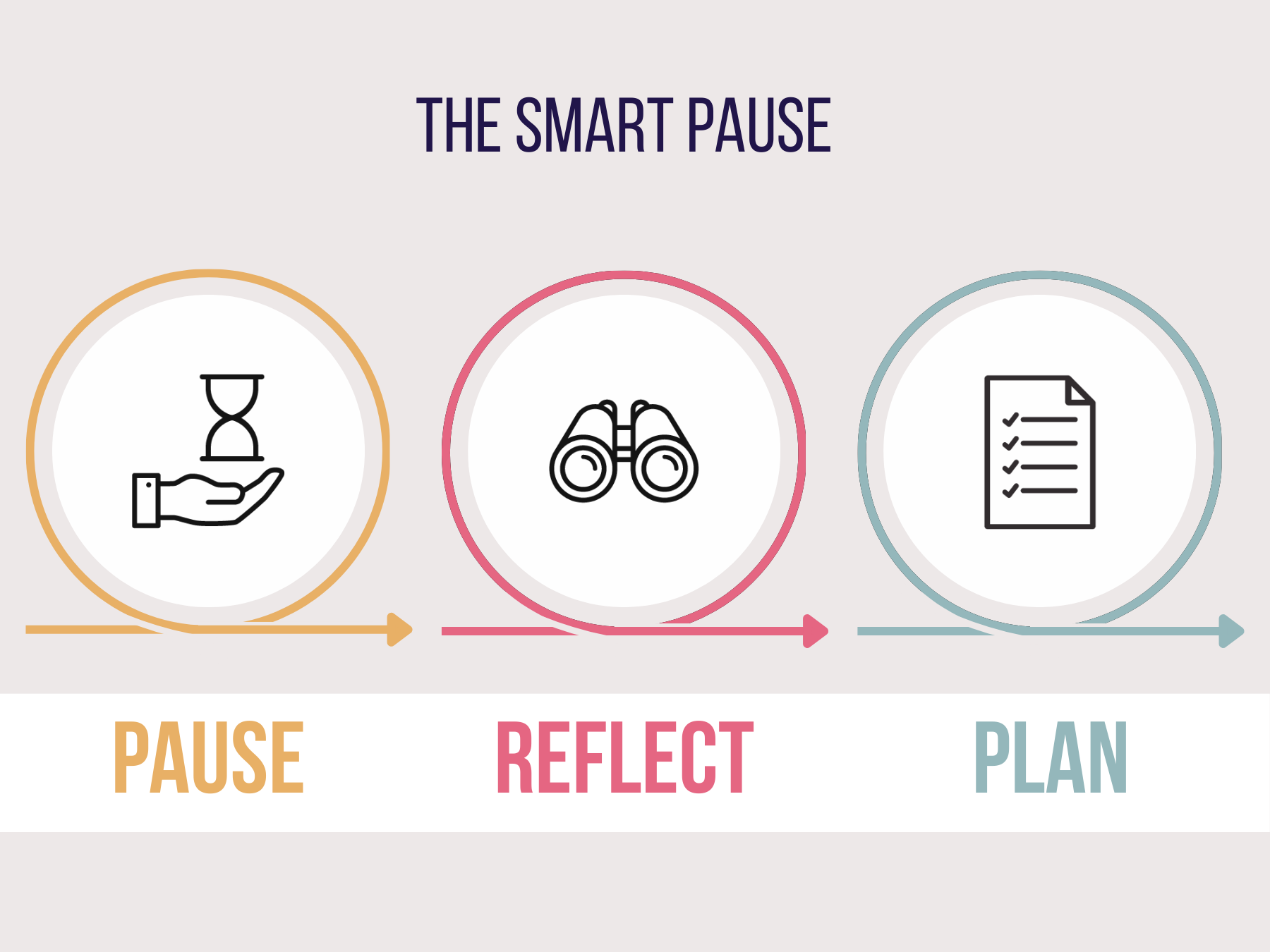
Step 1: Pause Before You Push
The worst thing to do when you’re ghosted is to chase harder. Sending multiple “just checking in” messages only adds noise to a crowded inbox.
Instead, pause and reflect.
- Did you uncover the buyer’s real pain or only surface symptoms?
- Did you show what it costs them to stay where they are?
- Did you connect with more than one person in the account?
Often, the silence tells you something about what’s missing. Take that time to plan your next move with purpose.
Step 2: Re-Engage with Value
When you do reach out again, make it worth their attention. The goal is to teach them something new or help them see their challenge in a different light.
Here are a few ways to do that:
- Lead with an insight. Share a short, relevant point about what’s changing in their industry or how others are solving a similar problem.
- Re-state their problem clearly. For example: “When we last spoke, you mentioned delays in your onboarding process. I’ve been thinking about how that impacts your revenue goals.”
- Quantify the cost of waiting. People act faster when they see what inaction costs them: missed revenue, wasted time, or higher risk.
- Make it easy to respond. End with a clear, low-pressure question like: “Has anything changed on your end?” or “Would a 10-minute check-in next week help you review options?”
Each message should show thought, not persistence. That’s what earns a reply.

Step 3: Rebuild the Connection
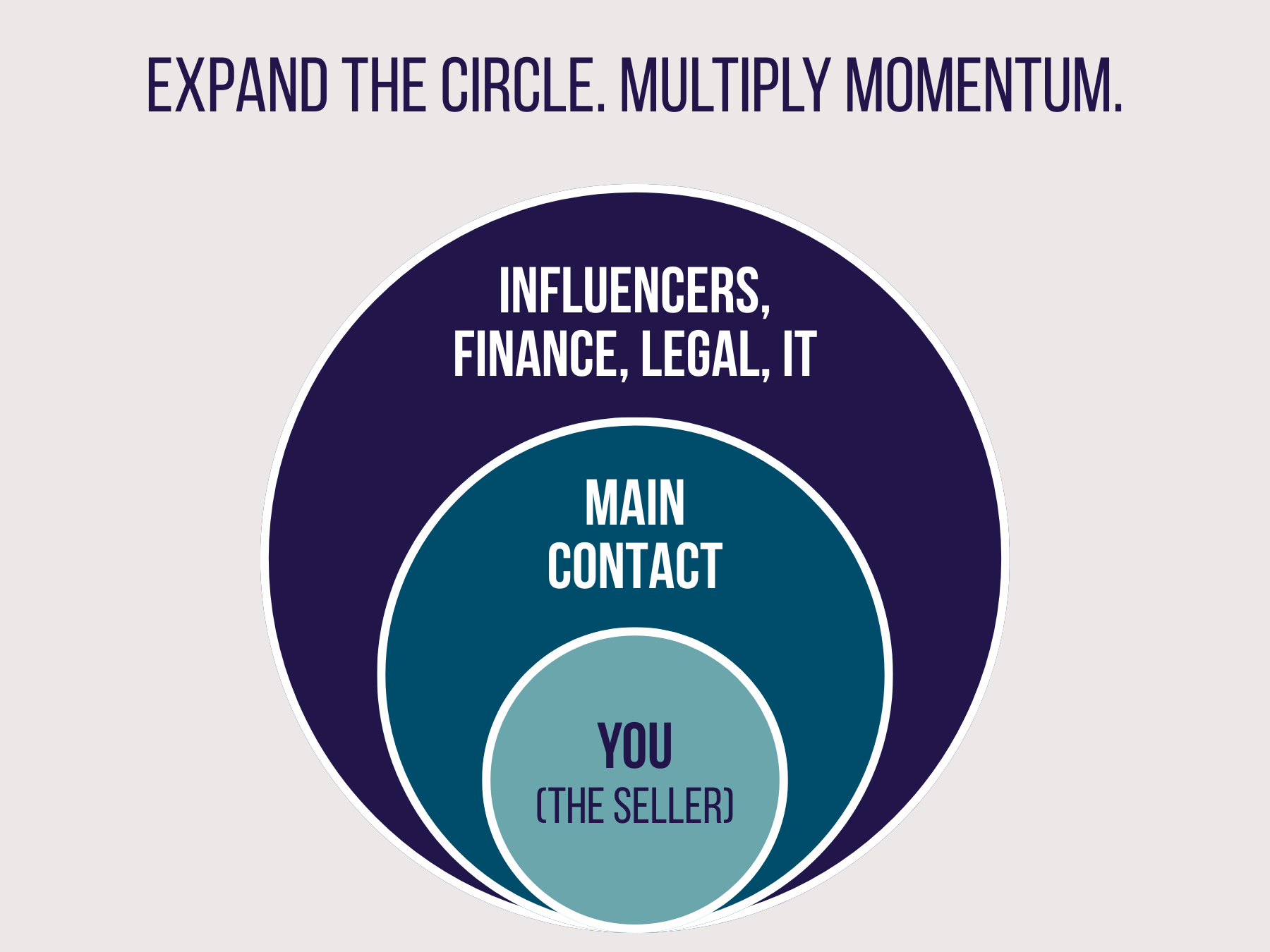
If the buyer still doesn’t respond, widen the circle. Silence often means your main contact has lost power or focus.
- Reach out to another stakeholder. Politely ask if they’re still the right person to connect with or if someone else has taken the lead.
- Use what you know. Reference the original business need, not the past conversation. That helps the new contact see relevance right away
- Offer not pressure. A short note that communicates “I know your team has a lot going on; if it’s easier, I can share a few quick ideas to make the next step clear” feels supportive, not pushy.
This approach keeps the tone positive and professional while showing that you’re focused on their success, not your quota.
Step 4: Learn What the Silence Tells You
If the buyer never replies, ghosting can help you improve your sales prospecting approach. Every pursuit leaves clues – you just have to know how to read them.
Look for signals in how the conversation unfolded:
- Timing: Did the silence happen after a proposal, a pricing talk, or an internal hand-off? Pinpointing when the communication stopped helps reveal why.
- Engagement pattern: Were your earlier replies fast and detailed, then suddenly short or delayed? That shift can show where the buyer’s confidence began to fade.
- Channel performance: Which outreach method (email, LinkedIn, phone) earned the most traction? Use that data to shape future follow-ups.
- Message tone: Compare your early prospecting emails with your later ones. Did you sound more urgent than helpful? Buyers feel that change in energy.
- Stakeholder movement: Did new people enter the conversation? Did someone key go quiet? Mapping those transitions can show whether your contact lost internal influence.
When you review a ghosted deal this way, the goal is to spot the pattern that caused momentum to break so you can adjust faster next time.
The best sellers treat every silence as data. They refine their outreach rhythm, sharpen their timing, and learn to recognize the early warning signs of indecision before a deal goes dark.

Step 5: Prevent Ghosting Before It Starts
The best way to handle ghosting is to avoid it altogether. That means setting clear expectations from the beginning and helping the buyer feel confident throughout the process.
Here’s how:
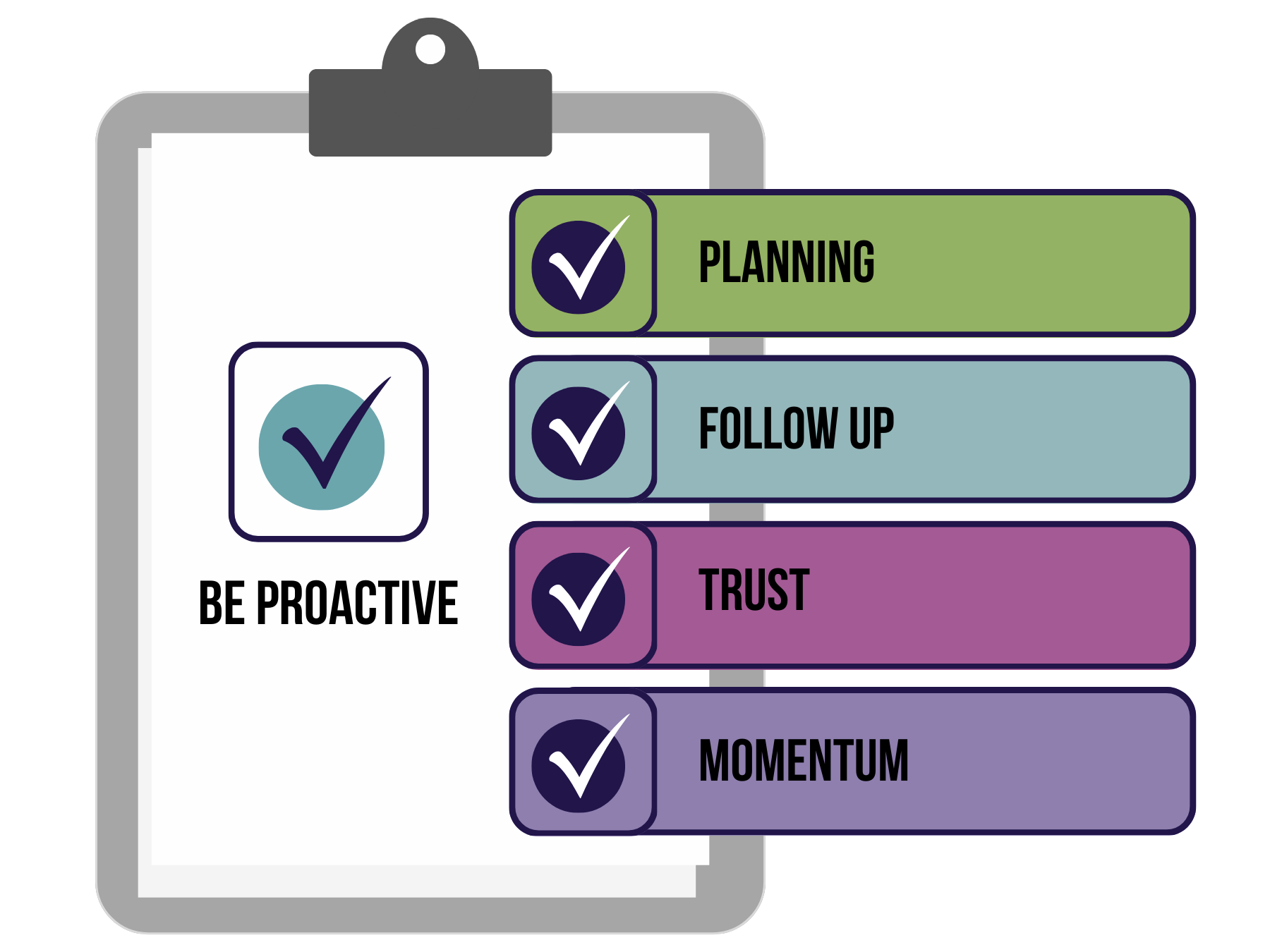
- Plan next steps together. Before ending any meeting, agree on what happens next and when. Send a short summary right after.
- Follow up with purpose. Share a resource, case study, or quick tip that helps them move forward, not just a reminder.
- Build trust early. Be honest about challenges, costs, and timelines. Buyers respond to confidence, not perfection.
- Keep momentum. Small “micro-closes,” like confirming the next meeting or asking for feedback on a proposal, prevent long silences later.
Buyers want guidance. When you make it easy for them to act, they rarely disappear.
In fact, our 2025 Selling Challenges Study found that sellers who set clear commitments and next steps early in the process face far fewer stalls later. Buyers feel more confident when they know exactly what happens next – and that confidence keeps communication open.
Step 6: Know When to Let Go
Sometimes a buyer truly isn’t ready, and that’s okay. Knowing when to step back shows maturity and professionalism.
If you’ve made several thoughtful attempts with no response, close the loop politely. You might write:
“It seems like the timing may not be right. I’ll step back for now, but I’m happy to reconnect when priorities shift.”
This leaves the door open and keeps your credibility intact. Many “lost” deals come back months later because the silence is handled professionally.
The Bottom Line
When a prospect ghosts you, it’s tempting to see it as rejection. In reality, it’s a signal that the buyer has lost confidence, clarity, or alignment.
Your role is to guide:
- Adapt your approach with insight and empathy.
- Architect the path forward by aligning stakeholders and making next steps clear.
- Analyze each pursuit so you can keep getting better.
The best sellers don’t just follow up; they help buyers move forward. That’s how you turn silence into progress.